
How to turn an ordinary garden plot into a paradise
Editor's choice
Interesting articles
New
Last modified
2025-10-04 22:10
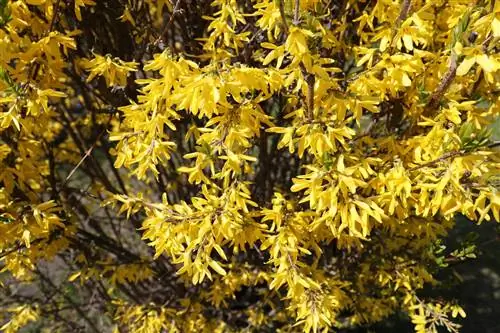
In this article we will show you how to permanently remove a forsythia bush and its roots, from which new bushes often sprout
2025-10-04 22:10
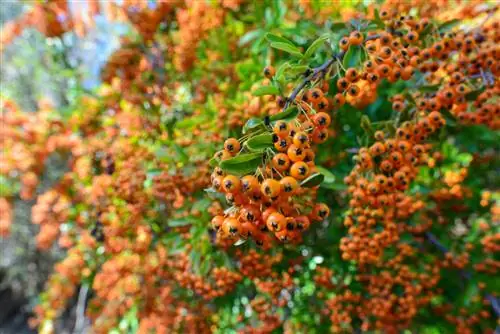
In this article we will show you the main distinguishing features of sea buckthorn and firethorn, which you can use to identify the bushes
2025-10-04 22:10
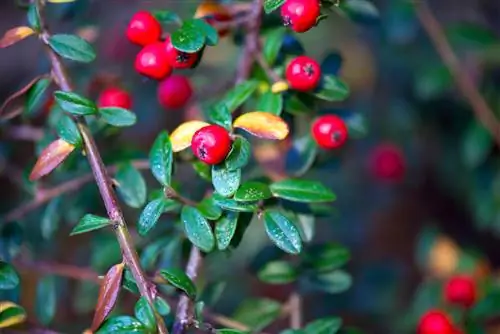
In this article we will show you what causes your firethorn to suddenly turn brown leaves and what you can do about it
2025-10-04 22:10
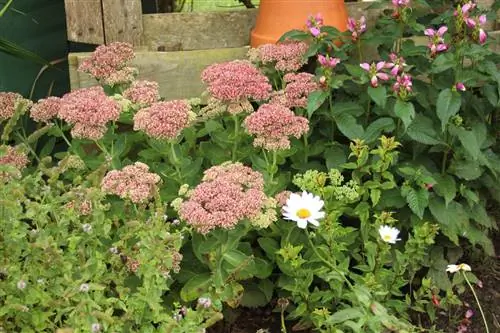
If the sedum is infected with gray mold, quick action is required. You can find out what you can do against this fungal disease here

2025-10-04 22:10
In this article we will show you how you can easily propagate the grateful stonecrop yourself by dividing, cuttings or sowing
Popular for the month
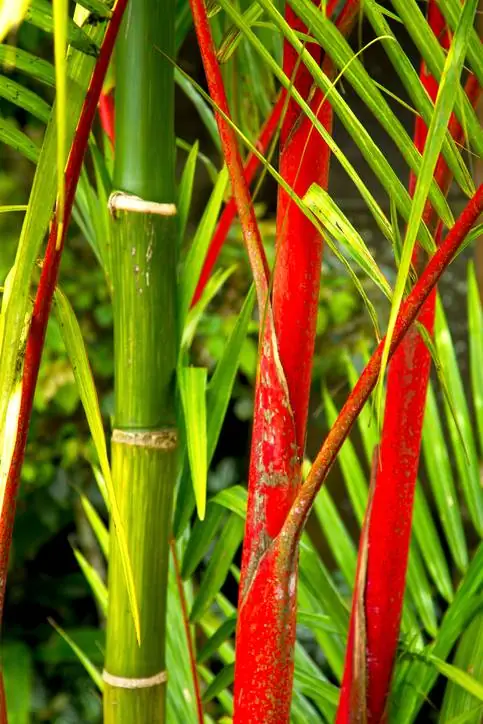
Are you interested in red bamboo? Here you can read the most important things about caring for this decorative sweet grass
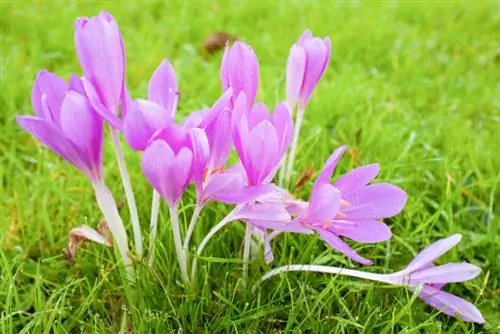
Are autumn crocuses and crocuses the same? - Read here why a mix-up can be fatal - These are the differences
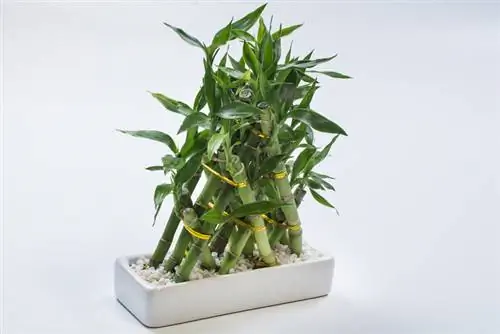
Bamboo can also be kept indoors if you choose the right variety. Read here which bamboo also feels comfortable indoors
Would you like to know whether your red bamboo is hardy? We will inform you about this topic and give you valuable tips for winter care
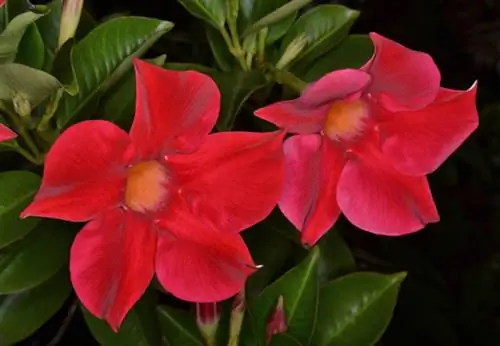
Would you like to grow your own Dipladenia? This is quite easy with offshoots. Here you can read how you should proceed
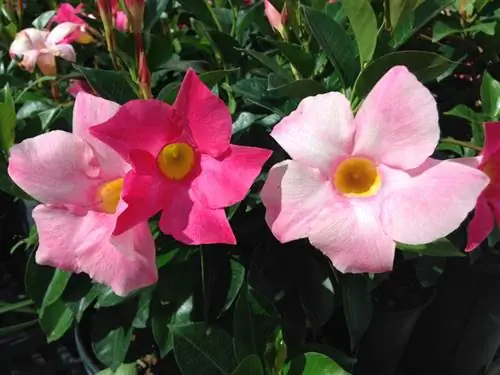
Are you looking for a decorative plant for your hanging basket? Here you can read interesting and interesting facts about Dipladenia
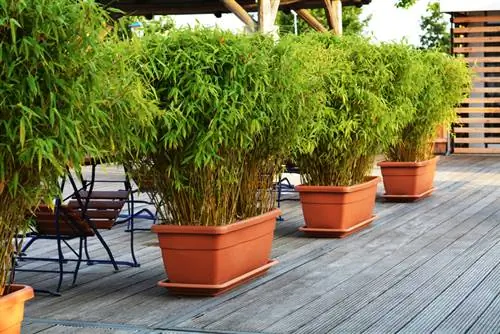
Would you like to buy an indoor bamboo and find out how to care for it in advance? Here you will find interesting and useful tips and tricks
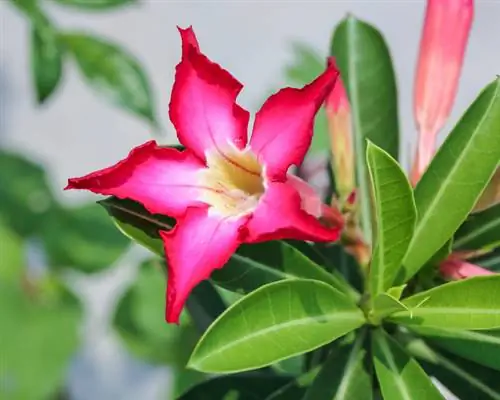
Have you ever grown a bonsai? Here you can read whether the Dipladenia is suitable for this and how you can grow a bonsai from it
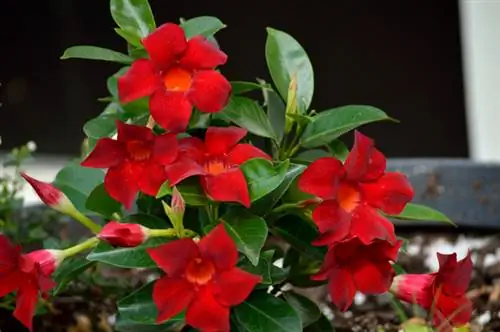
Do you like the decorative Mandevilla and would you like to know more about it? Here you can find out whether the Dipladenia can overwinter outside or not
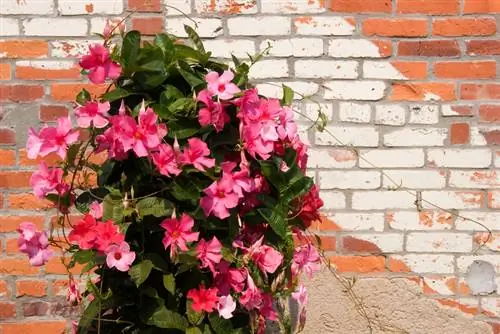
Are you looking for a decorative and easy-care summer flower or should it be a perennial plant? Read which category Dipladenia fits into
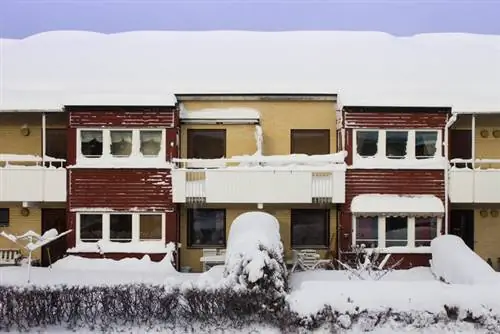
Your Dipladenia has frozen and you would like to prevent this from happening again in the future? Then read here how to overwinter the plant
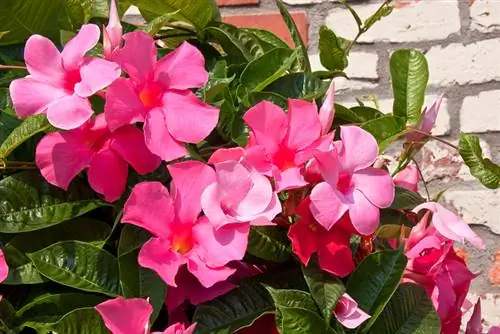
Have you planted or planned to plant a Dipladenia in your garden? Read here how a Mandevilla should be cared for and fertilized
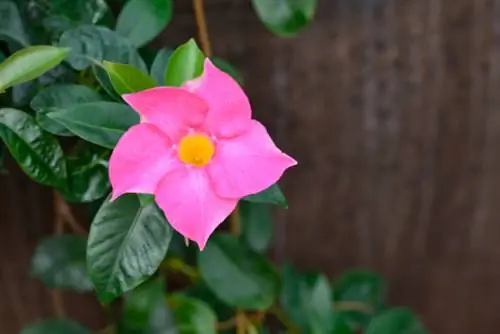
Have you ever planted a plant pyramid? We'll tell you how it works and whether Dipladenia is suitable for it
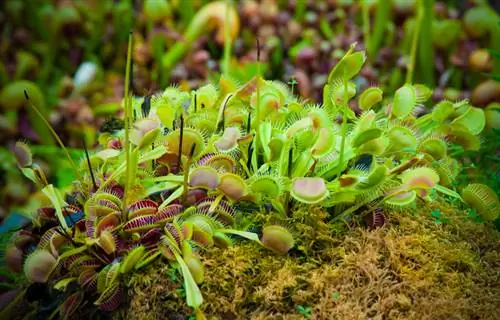
Venus flytraps develop multiple flowers in which seeds form upon fertilization. Offshoots can be grown from them
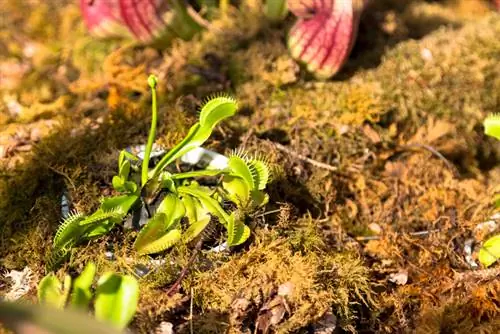
The flower of the Venus flytrap takes a lot of energy away from the plant. You should therefore cut them off straight away
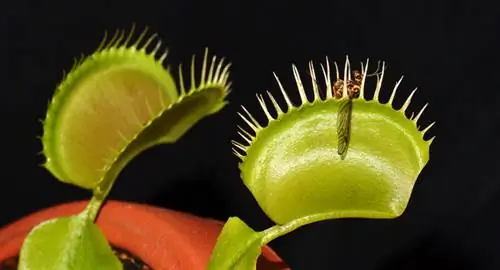
Venus flytraps prefer nutrient-poor soil. Additional fertilizer doses lead to over-fertilization. Therefore, do not fertilize the plants
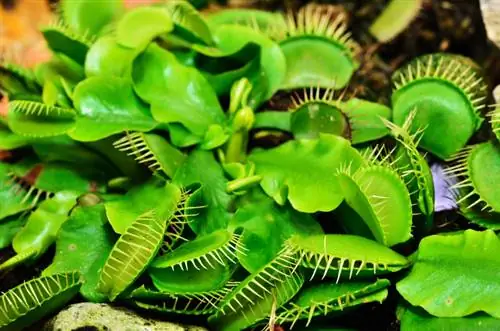
There are three methods for the reproduction of Venus flytraps. How to Propagate a Venus Flytrap
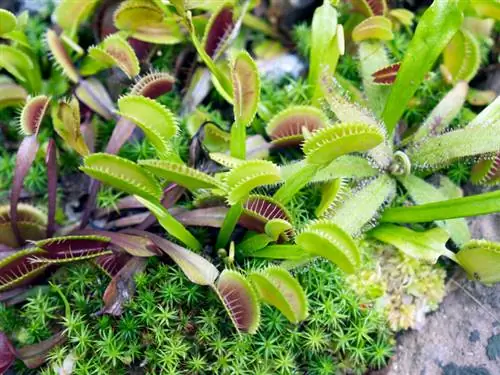
The substrate of the Venus flytrap must never dry out completely. Which water is suitable? How to water correctly
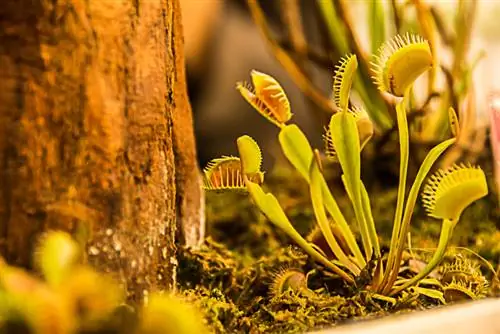
How big does a Venus flytrap actually get? How tall do the flowers get? Interesting facts about the size of the carnivorous plant
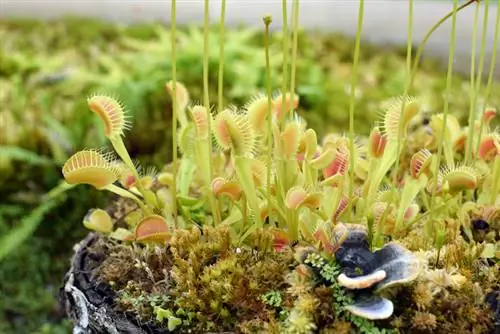
Venus flytraps can be propagated via seeds or division. How to harvest seeds from an existing Venus flytrap